“Mastering Your Finances: 10 Timeless Books, 10 Powerful Lessons”

Introduction:
In the vast world of personal finance, there are numerous books that offer invaluable insights and advice to help you navigate the path to financial success. In this blog, we will explore 10 influential financial books and extract one powerful lesson from each. From building wealth to managing investments, these lessons will equip you with essential knowledge and empower you to take charge of your financial future.


1. “Rich Dad Poor Dad” by Robert Kiyosaki:
Lesson: Embrace Assets over Liabilities – Understand the difference between assets and liabilities and prioritize acquiring income-generating assets to build wealth.

2. “The Intelligent Investor” by Benjamin Graham:
Lesson: Practice Value Investing – Focus on long-term investing, analyzing intrinsic value, and seeking undervalued opportunities for consistent, sustainable returns.

3. “Think and Grow Rich” by Napoleon Hill:
Lesson: Harness the Power of Your Mind – Cultivate a positive mindset, set clear financial goals, and leverage the law of attraction to attract wealth and abundance.

4. “A Random Walk Down Wall Street” by Burton Malkiel:
Lesson: Embrace Passive Index Investing – Consider investing in low-cost index funds to achieve broad market exposure and benefit from long-term market growth.

5. “The Millionaire Next Door” by Thomas J. Stanley and William D. Danko:
Lesson: Live Below Your Means – Focus on frugality, disciplined spending, and saving to accumulate wealth and achieve financial independence.

6. “The Little Book of Common Sense Investing” by John C. Bogle:
Lesson: Opt for Low-Cost, Broad Diversification – Prioritize low-cost, passively managed index funds for broad market exposure and avoid unnecessary fees and complexity.

7. “The Richest Man in Babylon” by George S. Clason:
Lesson: Pay Yourself First – Commit to saving a portion of your income regularly and invest wisely to grow your wealth over time.

8. “Common Stocks and Uncommon Profits” by Philip Fisher:
Lesson: Invest in Quality Companies – Focus on thorough research, understanding a company’s competitive advantage, and investing for the long term in solid businesses.

9. “Your Money or Your Life” by Vicki Robin and Joe Dominguez:
Lesson: Achieve Financial Independence – Assess the true value of money, align your spending with your values, and pursue financial independence for greater freedom and fulfillment.

10. “The 4-Hour Workweek” by Timothy Ferriss:
Lesson: Embrace Lifestyle Design and Automation – Seek ways to streamline your work, create passive income streams, and achieve a balance between work and leisure.

Conclusion:
These 10 financial books provide a treasure trove of wisdom, each offering a unique perspective on achieving financial success. By incorporating these powerful lessons into your financial journey, you can lay a solid foundation for building wealth, making informed investment decisions, and ultimately attaining financial independence. Remember, the journey to financial mastery begins with acquiring knowledge and taking actionable steps towards your goals.


Lessons I Wish I Knew in My 20s: Balancing Finances, Time, and Relationships for a fulfilling life

Introduction: In this article i will discuss aboutvaluable lessons I wish I had known in my 20s. This post aims to provide comprehensive insights on managing finances, utilizing social media wisely, spending quality time with loved ones, becoming financially independent, and avoiding time-wasting habits. By implementing these lessons, you can lay a strong foundation for a balanced, fulfilling life.when you are in this time period your body is in development stage so this are some mistakes you must avoid

1. Mastering Personal Finance:
One of the most important lessons to learn in your 20s is how to manage your personal finances effectively. Create a budget to track your income and expenses, and save a portion of your earnings. Develop an understanding of investments, such as stocks, bonds, and real estate, to build wealth over time. Embrace frugality and avoid unnecessary debt. Educate yourself about financial literacy to make informed decisions for a secure future.

2. Social Media: Striking a Balance:
In today’s digital age, social media has become a significant part of our lives. However, it is essential to strike a balance and use it mindfully. Set limits on social media usage to prevent it from becoming a time-consuming distraction. Be aware of the impact of social media on mental health and self-esteem. Cultivate real-life connections and experiences, as they contribute to genuine happiness and personal growth.

3. Cherishing Relationships:
In the pursuit of success, it’s easy to neglect the importance of nurturing relationships, especially with our parents. Dedicate quality time to connect with your loved ones, listen to their stories, and express your love and gratitude. Open communication and meaningful interactions are the foundations of strong, fulfilling relationships. Treasure the moments spent with family and friends, as time is a precious gift that cannot be reclaimed.

4. Pursuing Financial Independence:
Your 20s are an opportune time to lay the groundwork for financial independence. Explore different career paths, invest in your skills and education, and develop a strong work ethic. Set ambitious financial goals and create a plan to achieve them. Embrace opportunities for growth, take calculated risks, and continuously learn and adapt to changing circumstances. By establishing financial independence, you gain the freedom to make choices aligned with your values and aspirations.

5. Breaking Free from Time-Wasting Habits:
In the age of endless entertainment options, it’s easy to fall into the trap of time-wasting habits like excessive TV watching or mindless scrolling on your mobile device. Take control of your leisure time by setting boundaries and allocating it for activities that align with your interests and personal growth. Engage in hobbies, exercise regularly, read books, or pursue creative endeavors. By making intentional choices, you can make the most of your time and create a fulfilling life.

Conclusion:
Reflecting on the lessons I wish I knew in my 20s has allowed me to share comprehensive insights on managing finances, using social media wisely, cherishing relationships, pursuing financial independence, and avoiding time-wasting habits. By implementing these lessons, you can lay a strong foundation for a balanced, fulfilling life. Embrace financial responsibility, use social media mindfully, prioritize meaningful connections, strive for independence, and make the most of your time. Remember, these lessons are applicable at any stage of life, and it’s never too late to start making positive changes. So, take charge of your future and embrace the opportunities that lie ahead. Your future self will thank you for it.

15 Business Ideas That Can Make You a Millionaire

Introduction:
In today’s dynamic and entrepreneurial world, the path to becoming a millionaire is not limited to traditional career choices. With the right combination of innovation, determination, and a solid business plan, anyone can embark on a journey to financial success. In this blog, we will explore 15 diverse business ideas, spanning industries such as real estate, food and beverages, e-commerce, healthcare, manufacturing, and luxury goods and services. Let’s dive in!

1. Real Estate Development:
Invest in real estate development, whether residential or commercial. Buy land, build properties, or renovate existing structures, and generate wealth through rental income, property appreciation, and strategic sales.

2. Restaurant or Café:
Enter the food and beverages industry by opening a restaurant or café. Focus on unique cuisines, creative concepts, exceptional service, and ambiance to attract customers and build a loyal clientele.

3. Niche E-commerce Store:
Identify a specific market segment or niche and launch an e-commerce store catering to its needs. Offer specialized products, curated selections, or personalized shopping experiences to stand out in the competitive online marketplace.

4. Healthcare Services:
Provide specialized healthcare services, such as home healthcare, telemedicine, or senior care. Capitalize on the growing demand for convenient and personalized healthcare solutions.

5. Manufacturing and Distribution:
Start a manufacturing business that produces and distributes goods in high demand. This can range from consumer electronics and furniture to food products or eco-friendly packaging materials.

6. Luxury Goods and Services:
Cater to the affluent market by offering luxury goods and services. This could include high-end fashion, luxury travel experiences, bespoke jewelry, or personalized concierge services.

7. Fitness and Wellness Centers:
Establish a fitness and wellness center that offers a comprehensive range of services, including gym facilities, yoga studios, spa treatments, nutritional counseling, and personalized fitness programs.

8. Software as a Service (SaaS):
Develop and sell software solutions through a subscription-based model. This could include project management tools, customer relationship management (CRM) software, or industry-specific applications.

9. Renewable Energy Infrastructure:
Invest in renewable energy infrastructure, such as solar or wind farms. Generate electricity from sustainable sources and sell it to utility companies, contributing to a greener future.

10. Biotechnology and Pharmaceuticals:
Enter the field of biotechnology or pharmaceuticals by developing innovative drugs, medical devices, or diagnostic tools. Collaborate with research institutions or universities to leverage scientific advancements.

11. Sustainable Fashion Brand:
Create a sustainable fashion brand that focuses on ethically sourced materials, fair trade practices, and environmentally friendly production methods. Cater to the growing consumer demand for eco-conscious clothing.

12. Virtual Reality (VR) Entertainment Centers:
Open VR entertainment centers where customers can experience virtual reality in immersive and engaging environments. Offer a wide range of VR games, simulations, and experiences to attract a diverse customer base.

13. Organic Farming and Food Production:
Establish an organic farming operation that produces high-quality organic crops, dairy products, or meats. Supply local markets, restaurants, or develop your own organic food brand.

14. Luxury Real Estate Services:
Offer specialized luxury real estate services, such as high-end property management, luxury vacation rentals, or real estate consulting for affluent clients seeking exclusive properties.

15. Personal Development and Coaching:
Provide personal development and coaching services, helping individuals achieve their goals and improve their lives. This can include life coaching, executive coaching, or specialized coaching in areas like mindfulness or career advancement.

Conclusion:
Becoming a millionaire requires dedication, perseverance, and a well-executed business plan. The 15 diverse business ideas outlined in this blog span industries such as real estate, food and beverages, e-commerce, healthcare, manufacturing, and luxury goods and services

“The AI Money Machine: Maximizing Profits through Intelligent Automation”

Introduction:

Welcome to a world of possibilities! Have you ever wondered how the power of AI can transform our lives and create amazing opportunities for everyone? Imagine a future where machines can think, learn, and solve problems just like humans. It’s not science fiction; it’s the future we’re heading towards.

Artificial Intelligence, or AI, is revolutionizing the way we live, work, and interact with technology. It’s like having a super-smart friend who can help us with complex tasks, make our lives easier, and even predict what we might need before we know it ourselves. And the best part is, AI is not limited to scientists or experts; it’s for everyone to explore and benefit from.

So, what exactly is AI? At its core, AI refers to computer systems that can perform tasks that usually require human intelligence. It’s all about teaching machines to think and learn from data, allowing them to make decisions, recognize patterns, and even understand language. Just like how we learn from our experiences, AI systems learn from data to become smarter and more capable over time.

But why is AI so important for our future? Well, imagine a world where self-driving cars navigate our roads, robots assist us with household chores, and personalized AI assistants help us with daily tasks. AI has the potential to revolutionize industries like healthcare, finance, education, and beyond. It can help us solve complex problems, make better decisions, and create new opportunities we haven’t even dreamed of yet.

Now, you might be wondering, “How can I take advantage of this incredible technology?” The answer is simple: by understanding the advantages of AI and embracing its potential now, you position yourself for success in the future. AI will become an integral part of our lives, and those who are well-versed in its capabilities will have a competitive edge.Learning about AI can be fun, exciting, and open doors to amazing opportunities as you grow up.

In this article, we will dive into the fascinating world of AI, exploring its potential, its impact on different industries, and how you can harness its power to create a brighter future. We’ll break down complex concepts into simple words that even a six-year-old can understand, because we believe that knowledge should be accessible to all, and don’t worry AI will not take your job or any thing you do for money infact AI will bring up new opportunities by 2030 ai will replace 87 million jobs as researchers and experts but will also bring 96 million new jobs mean AI will change whole world work system it will just bring up new works and new kind of jobs for people and for that you need to know about it , you need to know how can I earn money from AI so today here we will be discussing about what are the ways to earn by AI and what new skills you need to learn.

Sure! Here are 10 ways you can earn money by utilizing AI, along with simple explanations and the AI needed for each approach:

1. AI Chatbot Development: Build AI-powered chatbots that can interact with customers, answer their questions, and provide support, you can make an AI chatbot for various companies in need or make your own site to interact with customers and solve issue

2. AI Data Analysis: Offer data analysis services using AI algorithms to help businesses gain insights from their data. Data analysis is like uncovering hidden treasures; you’re given a heap of data, and your job is to unlock its secrets and extract valuable insights.so you can easily make a ai data analysis but also you need to work with AI because many thing which human can do AI can’t.

3. AI Image Recognition: Develop AI systems that can recognize and analyze images for applications like facial recognition, object detection, or quality control.you can sell your AI Image recogniation or fingerprint recognisation to various companies,softwares,devices or agencies I need.

4. AI Voice Assistants: Create AI voice assistants like Siri or Alexa that can respond to voice commands and perform tasks for users. You can sell your product to various companies which will help them to intect with their customer orally.

5. AI Content Generation: Use AI algorithms to generate content such as articles, product descriptions, or social media posts. AI technology needed: Natural Language Processing and Generative Models.

6. AI Virtual Tutoring: Offer personalized tutoring services using AI algorithms to adapt to individual learning needs and provide tailored lessons.

7. AI Social Media Marketing: Utilize AI to analyze social media data, optimize ad campaigns, and target specific audiences for businesses.

8. AI Robotic Process Automation (RPA): Develop AI-based robots to automate repetitive tasks like data entry, form filling, or invoice processing. AI technology needed: Robotic Process Automation and Machine Learning.

9. AI Cybersecurity Solutions: Build AI systems to detect and prevent cyber threats, analyze network traffic, and identify suspicious activities.

10. AI Personalized Recommendations: Create AI recommendation systems that suggest products, movies, or music based on user preferences and behavior.

Remember, each of these approaches requires expertise in specific AI technologies and an understanding of the industry or domain you are working in. By leveraging AI effectively, you can unlock new opportunities for earning money while delivering valuable solutions to businesses and individuals.

“12 Proven Strategies to Jumpstart Your Stock Market Income: A Comprehensive Guide”

Introduction:
Investing in the stock market can be a lucrative way to grow your wealth and secure your financial future. However, it can also be overwhelming for beginners. To help you navigate this exciting realm, we’ve compiled a list of 12 expert-backed strategies to start earning from the stock market. Whether you’re a novice or have some experience, these simple yet effective methods can set you on the path to success.

1. Educate Yourself:
Before diving into the stock market, arm yourself with knowledge. Read books, attend seminars, and follow reputable financial websites to understand the basics of investing, different investment vehicles, and market trends.

2. Set Clear Goals:
Define your financial objectives and timeframe. Are you looking for short-term gains or long-term growth? Having clear goals will guide your investment decisions and help you stay focused.

3. Start with Index Funds:
For beginners, index funds are a great starting point. These funds allow you to invest in a diversified portfolio of stocks, reducing the risk associated with investing in individual companies.

4. Dollar-Cost Averaging:
Instead of trying to time the market, consider investing a fixed amount at regular intervals. This approach, known as dollar-cost averaging, allows you to buy more shares when prices are low and fewer shares when prices are high. Over time, this strategy can potentially lower your average cost per share.

5. Dividend Investing:
Dividend stocks can provide a steady stream of passive income. Look for companies with a history of consistent dividend payments and a strong financial position.

6. Value Investing:
Follow the principles of value investing by identifying undervalued stocks. Research companies with solid fundamentals, strong management teams, and growth potential, and consider investing in them for the long term.

9. Practice Risk Management:
Every investment comes with some level of risk. Set stop-loss orders or employ other risk management strategies to protect your capital from significant losses.

7. Growth Investing:
On the other hand, growth investing focuses on investing in companies with high growth potential. These stocks may not pay dividends initially but have the potential for substantial capital appreciation over time.


8. Diversify Your Portfolio:
Don’t put all your eggs in one basket. Diversify your investments across different sectors, industries, and asset classes. This helps spread the risk and potentially increase your chances of overall returns.

10. Stay Informed:
Keep track of market news, company earnings reports, and economic indicators that can impact your investments. Stay informed about the latest developments in the industries you are invested in.

11. Invest in Exchange-Traded Funds (ETFs):
ETFs are similar to index funds but trade like individual stocks. They offer diversification and can be bought and sold throughout the trading day. Consider adding ETFs to your portfolio for additional flexibility.

12. Patience and Discipline:
Successful investing requires patience and discipline. Avoid making impulsive decisions based on short-term market fluctuations. Stick to your investment plan and avoid emotional reactions to market volatility.

Conclusion:
By incorporating these 12 strategies into your stock market investment approach, you can set yourself up for success. Remember, the stock market can be unpredictable, and it’s essential to stay focused, continue learning, and adapt your strategies as needed. With time and dedication, you can harness the power of the stock market to generate a reliable income and achieve your financial goals.

Winning Strategies for Investing: 6 Rules to Grow Your Wealth

Introduction:
Investing can be a powerful tool for growing wealth and achieving long-term financial goals. However, navigating the world of investments can be challenging without a clear plan. That’s why it’s crucial to establish a set of rules to guide your investment decisions. In this blog, we will explore six essential rules that can help you become a more successful investor. By understanding and implementing these rules, you can increase your chances of achieving financial success.

1. Set clear investment goals:
Before you start investing, it’s important to define your investment goals. Take the time to consider your financial objectives, such as saving for retirement, purchasing a home, or funding your child’s education. By setting clear goals, you can align your investment strategy with your aspirations and establish a roadmap for success.

2. Diversify your portfolio:
One of the fundamental principles of investing is diversification. Spreading your investments across different asset classes and within each class can help mitigate risk. A well-diversified portfolio reduces the impact of any single investment’s performance on your overall portfolio. Consider allocating your investments among stocks, bonds, real estate, and other assets to achieve a balanced and resilient portfolio.

3. Invest for the long term:
Successful investing requires a long-term perspective. While short-term market fluctuations can be unnerving, history has shown that markets tend to trend upward over the long run. By investing with a long-term horizon, you can ride out the market’s ups and downs and potentially benefit from compounding returns. Avoid making hasty decisions based on short-term market movements and focus on your long-term investment strategy.

4. Do thorough research:
Before investing in any asset, it’s crucial to conduct thorough research. Familiarize yourself with the fundamentals of the investment, including the company’s financial health, growth prospects, and industry trends. Evaluate the potential risks and rewards associated with the investment. By conducting proper due diligence, you can make informed investment decisions and reduce the likelihood of unexpected surprises.

5. Stay updated and informed:
The investment landscape is constantly evolving, and staying informed is vital. Keep up with the latest financial news, market trends, and economic indicators that may impact your investments. Regularly review your portfolio to ensure it aligns with your goals and risk tolerance. By staying informed and proactive, you can make timely adjustments to your investments when necessary.

6. Monitor and review your investments:
Regularly monitor the performance of your investments and review your portfolio. Assess whether your investments are meeting your expectations and whether any adjustments are needed. Rebalance your portfolio periodically to maintain your desired asset allocation. By actively managing your investments, you can stay on track and make informed decisions based on your evolving financial circumstances.

Conclusion:
Investing can be a rewarding journey towards financial success. By following these six essential rules—setting clear goals, diversifying your portfolio, investing for the long term, conducting thorough research, staying informed, and monitoring your investments—you can navigate the complexities of investing with greater confidence. Remember, investing requires patience, discipline, and continuous learning. With a solid understanding of these rules, you can increase your chances of achieving your financial goals and building a prosperous future.

(Note: The content provided in this blog is for informational purposes only and should not be construed as financial advice. Always consult with a qualified financial advisor before making any investment decisions.)

“Unlocking Financial Freedom: Unveiling the Rules of Rich Dad, Poor Dad”

Introduction:
In the realm of personal finance, few books have had a profound impact on individuals’ mindsets and approaches to wealth creation as “Rich Dad Poor Dad” by Robert Kiyosaki. Published over two decades ago, this timeless classic continues to inspire and guide countless individuals towards financial independence. In this blog, we delve into the fundamental rules outlined by Kiyosaki and explore how they can shape our financial perspectives and lead us towards a path of abundance.

1. Rule #1: Rethinking the Concept of Wealth:
Kiyosaki challenges the traditional understanding of wealth by emphasizing the importance of assets over income. We explore why acquiring income-generating assets is crucial to building lasting wealth and how this shift in mindset can alter our financial trajectory.

2. Rule #2: Embrace Financial Education:
Education goes beyond the classroom, and financial literacy plays a pivotal role in achieving financial success. We delve into Kiyosaki’s emphasis on continuously expanding our financial knowledge and explore practical ways to enhance our financial education.

3. Rule #3: The Power of Taking Control:
Rich Dad, Poor Dad teaches us that taking control of our financial destiny is paramount. We discuss the significance of entrepreneurship, investment, and the pursuit of financial independence, highlighting how individuals can gain control of their financial lives.

4. Rule #4: The Importance of Mindset:
Our mindset can either propel us towards wealth or hold us back from achieving our financial goals. We examine Kiyosaki’s emphasis on cultivating a mindset of abundance, resilience, and strategic thinking to overcome financial obstacles and create lasting prosperity.

5. Rule #5: Leverage and Risk Management:
Kiyosaki encourages individuals to embrace the power of leverage, while also understanding the importance of managing risks. We explore how leveraging assets, smart debt management, and risk assessment can play a pivotal role in building wealth while safeguarding our financial well-being.

6. Rule #6: The Value of Network and Relationships:
Our network can be one of the most valuable assets in our pursuit of financial freedom. We discuss Kiyosaki’s insights on building strong relationships, seeking mentorship, and surrounding ourselves with like-minded individuals who support our financial aspirations.

7. Rule #7: Taking Action and Persistence:
No wealth can be built without action and persistence. We delve into the importance of taking decisive steps towards our financial goals, embracing failure as a learning opportunity, and developing the perseverance necessary to overcome obstacles on our path to financial success.

Conclusion:
“Rich Dad Poor Dad” offers invaluable lessons that challenge conventional wisdom about wealth and financial success. By adopting the principles outlined in the book, individuals can transform their financial mindsets, take control of their financial futures, and ultimately achieve financial freedom. Embracing the rules shared by Robert Kiyosaki allows us to pave our own way to prosperity, one step at a time. So, let us embark on this journey towards unlocking our financial potential and creating a life of abundance.

“Unlocking Financial Freedom: 21 Powerful Assets to Secure Your Future”

Introduction:
Achieving financial freedom is a dream shared by many individuals. It signifies a state of financial independence where your assets generate enough income to cover your expenses, giving you the freedom to live life on your own terms. In this blog, we will explore 21 diverse assets that have the potential to pave the way to financial freedom. From traditional investments like real estate, stocks, and commodities to unconventional avenues like intellectual properties and creating a brand, we’ll delve into a wide range of opportunities that can contribute to your financial prosperity.

1. Business:
Starting and growing a successful business is a proven path to financial freedom. By creating a profitable venture, you have the potential to generate substantial income and build equity over time.

2. Real Estate:
Investing in real estate offers multiple avenues for wealth accumulation, including rental properties, house flipping, or investing in real estate investment trusts (REITs). The property market has historically been a reliable source of long-term wealth.

3. Stock Market:
Participating in the stock market can be an effective way to grow your wealth. By investing in well-researched companies, you can benefit from capital appreciation and potential dividend payments.

4. Commodities:
Investing in commodities such as gold and silver can act as a hedge against inflation and economic uncertainties. These precious metals have been regarded as a store of value for centuries.

5. Cash:
While it may seem counterintuitive, holding cash can be a valuable asset. It provides liquidity and flexibility, allowing you to seize opportunities that arise, whether it’s investing in a promising venture or taking advantage of a market downturn.

6. Equipment and Accessories:
Investing in equipment or accessories that have demand can lead to income-generating opportunities. For example, purchasing photography equipment or a food truck can open doors to profitable businesses.

7. Intellectual Properties:
Creating and monetizing intellectual properties such as patents, copyrights, and trademarks can be a lucrative asset. Licensing your creations or selling them outright can generate significant income.

8. Create a Brand:
Building a strong personal or business brand can unlock numerous financial opportunities. A recognized and trusted brand can attract loyal customers, open doors for partnerships, and increase the value of your offerings.

9. Network with People:
Building a robust professional network can provide access to valuable resources, business opportunities, and mentorship. The relationships you cultivate can significantly impact your financial growth

10. Gold and Silver:
Investing in physical gold and silver can act as a store of value and a hedge against economic downturns. These precious metals have a track record of retaining their worth over time.

11. Bonds:
Bonds offer a fixed income stream and are considered relatively low-risk investments. Investing in government or corporate bonds can provide a steady source of passive income.

12. Index Funds:
Index funds offer a diversified approach to investing in the stock market. By investing in a fund that tracks a broad market index, you can benefit from overall market growth while minimizing risk.

13. Knowledge:
Investing in your knowledge and skills can pay substantial dividends. Continuously learning and acquiring expertise in a particular field can lead to higher-paying job opportunities or even the creation of your own successful business.

14. Health:
Your health is an invaluable asset. By maintaining good physical and mental well-being, you can avoid excessive medical expenses and have the energy and focus to pursue financial opportunities.

15. Time:
Time is a limited resource, but it can be leveraged to generate wealth. By investing your time wisely in income-generating activities or building passive income streams, you can work towards financial freedom.

16. Dividend-Paying Stocks:
Investing in stocks that consistently pay dividends can provide a reliable income stream. Dividends can be reinvested

or used to cover living expenses, making them an attractive asset for long-term financial stability.

17. Digital Courses:
Creating and selling digital courses allows you to share your expertise and earn income on autopilot. As online education continues to grow, digital courses offer a scalable and profitable asset.

18. Real Estate Investment Trusts (REITs):
REITs allow investors to pool their resources to invest in a diversified portfolio of income-generating properties. This enables individuals to participate in real estate without the need for significant capital or direct property management.

19. Renting:
Owning rental properties can provide a steady stream of passive income. By carefully selecting properties in desirable locations and managing them effectively, you can generate consistent cash flow.

20. Royalties:
If you possess creative talents such as writing, music composition, or inventing, royalties can be a lucrative asset. Earnings from book sales, music streaming, or patent licensing can generate ongoing passive income.

Conclusion:
Achieving financial freedom requires a strategic approach and diversification of assets. By utilizing the 21 assets discussed in this blog, including business ventures, real estate investments, stocks, commodities, intellectual properties, and more, you can build a robust foundation for long-term financial success. Remember, each asset has its own risks and rewards, so it’s essential to conduct thorough research, seek professional advice when necessary, and adapt your investment strategy to changing market conditions. With persistence, knowledge, and a well-rounded portfolio, you can set yourself on the path to financial freedom and live life on your own terms.

“The Passive Income Playbook: 12 Proven Strategies to Earn Money While You Sleep”

Introduction

In this article, we will discuss six online and six offline methods that can help you generate passive income streams. While passive income may sound like an effortless endeavor, we want to emphasize that it requires initial effort, ongoing management, and dedication to reap its rewards. So, let’s dive into these twelve avenues that can potentially transform your financial landscape.

What actually passive Income is

Passive income refers to the money you earn with minimal ongoing effort or time investment. It’s an income stream that continues to generate revenue even when you’re not actively working on it. It allows you to make money while you sleep, so to speak.

However, it’s important to understand that earning passive income is not a magical solution where you can completely detach yourself from work. While it can provide financial freedom and flexibility, it requires initial effort, dedication, and ongoing management to set up and maintain.

When you start a passive income venture, it doesn’t mean you can sit back and do nothing. You still need to put in work, especially in the beginning stages, to establish and grow your income stream. It might involve creating and marketing digital products, managing rental properties, or maintaining an online business.

The term “passive” refers to the fact that once the foundation is laid and systems are in place, the income can become more automated and require less active involvement. However, you still need to monitor and manage your income sources, make adjustments as needed, and potentially invest time and effort in scaling or expanding your passive income streams.

In simple words, earning passive income is like planting a seed. Initially, you need to nurture it by watering, providing sunlight, and ensuring proper care. Over time, as it grows into a tronjee, it requires less frequent attention but still needs occasional maintenance to bear fruits. Similarly, passive income requires work and management upfront, but once established, it can generate income with less active involvement.

Online ways to Earn Passive Income

1. Affiliate Marketing Empire:

Affiliate marketing allows you to promote products or services and earn commissions for every sale or lead generated through your referral.Affiliate marketing involves promoting products or services and earning a commission for each sale or referral. You can sell products through affiliate programs like Amazon Associates, ClickBank, and ShareASale. Commission rates vary, typically ranging from 1% to 50% or more, depending on the program and product. Successful affiliate marketing requires choosing relevant products and effectively promoting them to your audience, but it needs consistency and paticent.

2. Dropshipping Domination

: Building a Profitable Online Store on Autopilot
Discover the lucrative world of dropshipping, where you can set up an online store without the need for inventory. Learn how to leverage this business model to automate order fulfillment, leaving you with more time to focus on growing your customer base and increasing your profits.

3. Digital Product Profits: Creating and Selling Your Own E-Books, Courses, or Software

Unleash your expertise and creativity by developing and selling digital products. We’ll explore the process of creating e-books, online courses, or software that can generate passive income while providing value to your audience.you can make your courses, E book on various software such as excel, word, etc

4.Starting your own Youtube Channel:

Monetizing Your Channel with Ads and Sponsorships
YouTube has become a powerful platform for content creators. We’ll discuss how to grow your YouTube channel, attract viewers, and monetize your content through advertising revenue and brand sponsorships.

5. Rental Income Revolution:

Generating Passive Cash Flow through Online Property Rentals
Discover the world of online property rentals and explore platforms that facilitate passive income from properties you own or manage. We’ll share tips on marketing your rentals, streamlining bookings, and maximizing your rental income potential.

6. Peer-to-Peer Lending: Investing in Online Platforms for Steady Returns


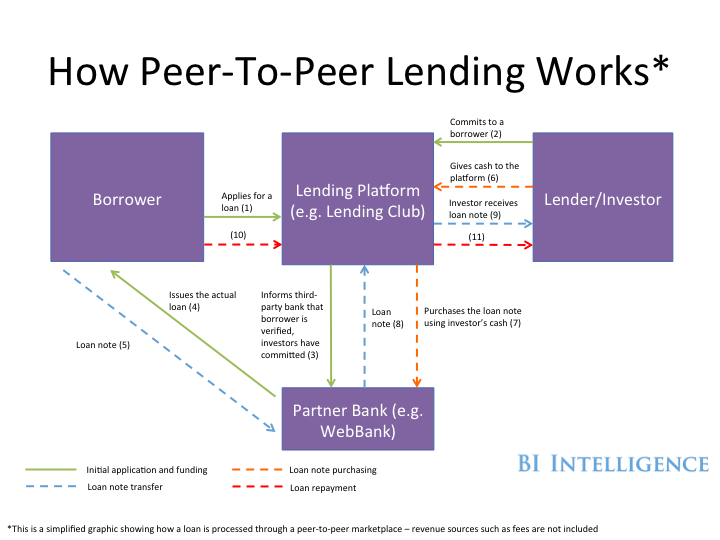
Explore the world of peer-to-peer lending platforms where you can lend money to individuals or small businesses and earn interest on your investments. We’ll discuss the benefits, risks, and strategies to optimize your passive income from P2P lending.

Conclusion:
Now that you’ve explored twelve compelling paths to passive income, remember that each method requires effort, dedication, and ongoing management. The journey toward financial freedom is not an overnight success, but with persistence and the right strategies, you can unlock a future where your money works for you. So, choose your path wisely, take action, and embark on the exciting adventure of passive income generation

15 Ways Students and Teens Can Make Money Online

Introduction:
In today’s digital age, students and teens have abundant opportunities to earn money online. Whether you’re aiming to save for college, support your hobbies, or gain valuable work experience, the internet offers a myriad of possibilities. In this blog, we will explore 15 different ways for students and teens to make money online. Each method will be explained in simple terms, ensuring that everyone can understand, regardless of their English proficiency. Additionally, we will outline the necessary skills, income potential, time commitment, and future prospects for each opportunity.

  1. Online Surveys:
    Description: Participate in surveys and share your opinions on various topics or products.
    Skills Needed: Basic internet skills, ability to provide feedback.
    Paid Services: Survey websites or apps that compensate you for completing surveys.
    Free Options: Many legitimate survey platforms are available for free.
    Income Potential: Varies; typically a small amount per survey.
    Time Commitment: Flexible; depends on the number of available surveys.
    Scope and Valuation: Survey opportunities are widespread, but earnings may be limited.
  2. Freelance Writing:
    Description: Write articles, blog posts, or website content for clients.
    Skills Needed: Strong writing skills, ability to meet deadlines.
    Paid Services: Freelance platforms or websites connecting writers with clients.
    Free Options: Starting a blog and monetizing it with ads or affiliate marketing.
    Income Potential: Varies; can range from a few dollars to hundreds per article.
    Time Commitment: Depends on the number and length of assignments.
    Scope and Valuation: Demand for quality content is high, with potential for growth.
  3. Graphic Design:
    Description: Create visual designs for logos, websites, or marketing materials.
    Skills Needed: Proficiency in graphic design software, creativity.
    Paid Services: Freelance platforms or specialized design websites.
    Free Options: Use free design software or trial versions of professional tools.
    Income Potential: Varies; rates can range from $10 to $100+ per hour/project.
    Time Commitment: Depends on the complexity and number of design projects.
    Scope and Valuation: Graphic design is in high demand, especially for businesses.
  4. Online Tutoring:
    Description: Provide academic assistance or teach a specific skill to others.
    Skills Needed: Strong knowledge in a particular subject or skill, ability to explain concepts.
    Paid Services: Tutoring platforms or websites connecting tutors with students.
    Free Options: Offering tutoring services through social media or local communities.
    Income Potential: Varies; rates can range from $10 to $50+ per hour/session.
    Time Commitment: Depends on the number of students and sessions scheduled.
    Scope and Valuation: Online tutoring has seen significant growth, with increasing demand.
  5. Social Media Management:
    Description: Help individuals or businesses manage their social media accounts.
    Skills Needed: Familiarity with various social media platforms, content creation, communication.
    Paid Services: Freelance platforms or direct client engagements.
    Free Options: Offering social media management services to friends or local businesses.
    Income Potential: Varies; rates can range from $10 to $50+ per hour/project.
    Time Commitment: Depends on the number of clients and the level of engagement.
    Scope and Valuation: Social media management is a rapidly growing field with high demand.
  6. Virtual Assistant:
    Description: Assist clients remotely with administrative or organizational tasks.
    Skills Needed: Strong organizational skills, communication, time management.
    Paid Services: Virtual assistant platforms or direct client engagements.
    Free Options: Offering virtual assistant services to friends or local businesses.
    Income Potential: Varies; rates can range from $10 to $30+ per hour/project.
    Time Commitment: Depends on the number and complexity of tasks.
  7. Content Writing for Websites:
    Description: Write engaging and informative content for websites.
    Skills Needed: Strong writing skills, research abilities.
    Paid Services: Freelance platforms, content writing agencies, or direct client engagements.
    Free Options: Creating your website and monetizing it with ads or sponsored posts.
    Income Potential: Varies; rates can range from $10 to $100+ per article.
    Time Commitment: Depends on the length and complexity of content.
  8. Online Transcription:
    Description: Convert audio or video recordings into written text.
    Skills Needed: Good listening skills, typing speed, attention to detail.
    Paid Services: Transcription platforms or direct client engagements.
    Free Options: Offering transcription services to local businesses or individuals.
    Income Potential: Varies; rates can range from $10 to $30+ per hour of transcription.
    Time Commitment: Depends on the length and complexity of the recordings.
  9. Online Data Entry:
    Description: Enter data into spreadsheets or databases.
    Skills Needed: Accurate typing, attention to detail.
    Paid Services: Data entry platforms or freelancing websites.
    Free Options: Offering data entry services to local businesses or individuals.
    Income Potential: Varies; rates can range from $5 to $20+ per hour of data entry.
    Time Commitment: Depends on the volume and complexity of the data.
  10. Affiliate Marketing:
    Description: Promote products or services and earn a commission for each sale.
    Skills Needed: Marketing skills, ability to create engaging content.
    Paid Services: Affiliate marketing platforms or direct partnerships with brands.
    Free Options: Creating a blog or social media accounts to promote affiliate products.
    Income Potential: Varies; earnings depend on the number of sales generated.
    Time Commitment: Depends on the effort put into promotion and content creation.
  11. Online Language Tutoring:
    Description: Teach a language to individuals looking to learn or improve.
    Skills Needed: Proficiency in a specific language, ability to teach and explain concepts.
    Paid Services: Language tutoring platforms or direct client engagements.
    Free Options: Offering language tutoring services to friends or local communities.
    Income Potential: Varies; rates can range from $10 to $50+ per hour/session.
    Time Commitment: Depends on the number of students and sessions scheduled.
  12. Website Design:
    Description: Create visually appealing and functional websites for clients.
    Skills Needed: Proficiency in web design tools, understanding of user experience.
    Paid Services: Freelance platforms, web design agencies, or direct client engagements.
    Free Options: Creating your website and offering web design services independently.
    Income Potential: Varies; rates can range from $100 to $500+ per website project.
    Time Commitment: Depends on the complexity and customization required.
  13. Online Coaching or Consulting:
    Description: Offer expertise in a specific field to clients seeking guidance.
    Skills Needed: In-depth knowledge and experience in the chosen field.
    Paid Services: Coaching or consulting platforms, direct client engagements.
    Free Options: Offering coaching or consulting services to friends or local communities.
    Income Potential: Varies; rates can range from $20 to $200+ per hour/session.
    Time Commitment: Depends on the number of clients and sessions scheduled.
  14. E-commerce Store:
    Description: Sell products online through your own e-commerce store.
    Skills Needed: Product selection, marketing, customer service.
    Paid Services: E-commerce platforms, payment gateways, shipping services.
    Free Options: Creating your online store using free platforms or self-hosted websites.
    Income Potential: Varies; earnings depend on the product selection and marketing efforts.
    Time Commitment: Requires consistent effort in product management, marketing, and customer support.
  15. Online Art and Crafts Sales:
    Description: Sell handmade artworks or crafts through online platforms.
    Skills Needed: Artistic skills, creativity, product photography.
    Paid Services: Art and crafts marketplaces, social media platforms.
    Free Options: Creating your own website or using social media to showcase and sell products.
    Income Potential: Varies; earnings depend on the popularity and demand for your products.
    Time Commitment: Depends on the volume of orders and time required for creating the artworks or crafts.

Conclusion:
Making money online offers students and teens a flexible and accessible way to earn income. Whether you choose to participate in surveys, offer your creative skills, provide tutoring services, or explore other opportunities, there are options available for everyone. Consider your skills, interests, and the time you can dedicate, and choose the method that aligns with your goals. With determination and effort, you can turn your online endeavors into a valuable source of income and gain valuable experience along the way.

Design a site like this with WordPress.com
Get started